5 Strategies Talent Acquisition Leaders Are Prioritizing for H2 2026 | RequireHire
5 Strategies Talent Acquisition Leaders Are Prioritizing for H2 2026
Bigger hiring plans, the same recruiter bandwidth. Here is how leading talent acquisition teams close the gap.
The second half of 2026 asks talent acquisition teams for more hires, in less time, with higher quality. This guide explains where traditional hiring slows down, the five strategies leaders are prioritising to fix it, and how requirehire.com helps you put skills-based hiring, AI interviews and ranked talent pools to work.
A note before you read
This guide is published by RequireHire's content team for talent acquisition heads, HR managers, recruiters and founders who own hiring outcomes in the second half of 2026. It focuses on real problems and practical fixes, not buzzwords. To be clear about scope, requirehire.com supports the evaluation and discovery stages of hiring: structured AI interviews, skill scores and a ranked candidate pool.

Why H2 Hiring Plans Break Under Pressure
Most hiring plans are agreed months in advance, and most assume the process will behave the way it did last year. By the time the second half arrives, roles open in clusters, hiring managers want people immediately and recruiter calendars are already full. The plan was sound. The process underneath it was never built for the load.
Look closely and the delays follow a pattern. Resumes are read quickly and unevenly, interviews depend , feedback arrives late and candidates wait in silence. Strong applicants rarely wait. Meanwhile expectations keep rising: leaders want a shorter time to hire, a higher quality of hire and a candidate experience that protects the employer brand.
The gap this creates
Many teams have plenty of applicants and almost no reliable way to compare them. Closing that gap does not mean working longer hours. It means adding consistent evaluation, faster feedback and a ready pool of talent before the requisition even opens.
Five Strategies, One Outcome: Faster Hiring You Can Defend
Talent acquisition leaders are prioritising five strategies in H2 2026: skills-first hiring, AI-led structured interviews, speed and candidate experience, always-on talent pools and data-led quality of hire.
Together they remove the three biggest drags on hiring: inconsistent evaluation, slow handoffs and starting from zero on every role.
The rest of this guide explains each strategy in practical terms, and shows where requirehire.com fits in.

What Every Talent Acquisition Leader Is Actually Up Against
Too many similar applications
A single posting can attract hundreds of resumes that look nearly identical. Without a consistent way to tell them apart, shortlisting becomes slow, subjective and easy to second-guess.
Interviews that cannot be compared
When every interviewer asks different questions and scores differently, hiring managers debate impressions instead of evidence, and good candidates slip through.
Delays that cost you candidates
Scheduling, feedback loops and silence between stages stretch time to hire. Candidates with options accept sooner, so every extra day raises the risk of losing them.
Starting from zero on every role
Without a warm talent pool, each requisition becomes an emergency search, which pushes teams towards rushed decisions and avoidable quality problems.
Strategy 1: Hire for Skills, Not Keywords
Skills-based hiring means deciding who to interview and who to hire based on what a person can actually do. It starts by naming the three to five abilities a role truly needs, such as clear communication, structured problem-solving or comfort with ambiguity. Those abilities become the yardstick for screening questions, interviews and final comparisons.
This solves two problems at once. Keyword filters stop rewarding well-formatted resumes, and capable people from non-traditional paths stop being filtered out by habit. Your shortlist becomes broader and more relevant together.
On requirehire.com, every candidate completes a structured interview that evaluates technical ability, communication and problem-solving, so skills are visible before a human reads a single line of a resume.
Try this quarter
Ask each hiring manager what a successful person does in their first ninety days. Rewrite the job description around those outcomes, cut requirements that exist out of habit and score every candidate against the same short skill list.
Strategies 2 and 3: Structured AI Interviews, and Speed Candidates Can Feel
Unstructured interviews depend on who asks, how tired they are and how quickly rapport forms. A structured AI interview removes that variation. Every candidate answers the same questions, at their own pace, and is scored against the same criteria. Recruiters review a consistent summary instead of repeating the same screening call dozens of times, and hiring managers receive comparable evidence.
Speed and candidate experience meet here. Self-paced interviews take calendar coordination off the critical path, and clear status updates end the silence that makes applicants wonder whether anyone is reading.
The combined effect
A consistent first round, a skill score you can compare and a process candidates can complete on their own time. You spend human attention on the people who clearly fit, and candidates feel respected from the first step.

Your H2 Hiring Plan Deserves More Than Another Pile of Resumes
Experience the interview your candidates take. Register on requirehire.com, complete a short AI interview and see how a skill score and ranked profile work in practice.
for candidates to register, and it takes just a few minutes to start.
Start Your AI InterviewScattered Hiring Steps vs One Structured Pipeline
Scattered hiring steps
Resumes in one inbox, interview notes in another, scores in a spreadsheet and shortlists rebuilt for every role. Nobody sees the whole picture, so decisions take longer and are harder to explain.
One structured pipeline
A single flow where every candidate is evaluated the same way, with scores and profiles kept in one place.
The honest verdict
Scattered processes are rarely anyone's fault. They grow as teams grow. The cost is invisibility: a structured pipeline shows you where candidates move, wait and drop out.
Resume Screening vs an Actual Skill Score
Resume screening
A quick read of formatting, employers and keywords. Useful for context, but it says little about how someone explains, reasons or communicates, and it favours people who write good resumes.
An actual skill score
A score from a structured interview covering technical ability, communication and problem-solving, giving every candidate the same chance to show real ability.
The honest verdict
Keep the resume for context and use the score for comparison. A resume tells you where someone has been. A skill score tells you how they are likely to perform in the conversations your role will demand.
Resumes Show Where Someone Has Been. A Skill Score Shows How They Perform.
A short, structured AI interview gives hiring teams something concrete to compare, not just another keyword match.
See How Scoring Works
Reactive Hiring vs Always-On Talent Pools
Reactive hiring
Waiting for a requisition, posting a job and hoping the right people apply. Every role begins as a scramble, and urgency pushes teams to compromise on fit.
Always-on talent pools
A ranked, skill-scored pool you can browse before you advertise. On requirehire.com, employers see anonymised profiles and request contact details only when interested.
The honest verdict
Pools only help when they are current, searchable and respectful of the people in them. Treat the pool as a routine: shortlist from it first, then decide whether you need to advertise at all.
Gut Feel vs Data-Led Quality of Hire
Gut feel
Decisions based on impressions, with no clear view of which stage is slow, where candidates drop out or how new hires perform months later.
Data-led quality of hire
A simple monthly review of time spent at each stage, drop-off between stages and early performance of new joiners, used to fix the leakiest stage first.
The honest verdict
You do not need a perfect dashboard. Small, steady improvements compound: a team that fixes one stage each month is in a very different position by the end of the half-year.
A Simple Framework to Judge Any Hiring Tool
Does it help me compare candidates on skills, not only on resumes?
Does it save recruiter time without removing human judgement from the final decision?
Can candidates use it at their own pace, without calendar coordination?
Is it honest about its limits, with no hiring guarantees, and does it keep candidates in control of their contact details?
What RequireHire Gives Your Hiring Team to Work With
Structured AI interview scoring: candidates are evaluated for technical ability, communication and problem-solving, producing a skill score you can compare.
Mock interviews and aptitude practice: candidates rehearse and test their reasoning before the scored interview, so results reflect preparation rather than panic.
One-time profile and resume check: profiles are built from a single resume upload, giving you a clear, consistent view of education, skills and achievements.
A ranked, skill-scored candidate pool: browse ranked profiles to shortlist before you advertise, instead of starting every role from zero.
Consent-based privacy: employers see anonymised profiles, and contact details are shared only after the candidate approves.
Every Hiring Cycle Should Start With a Shortlist, Not a Blank Page
Employers running hiring drives browse ranked candidate pools on requirehire.com. Register to see the candidate experience first-hand.
Register on RequireHire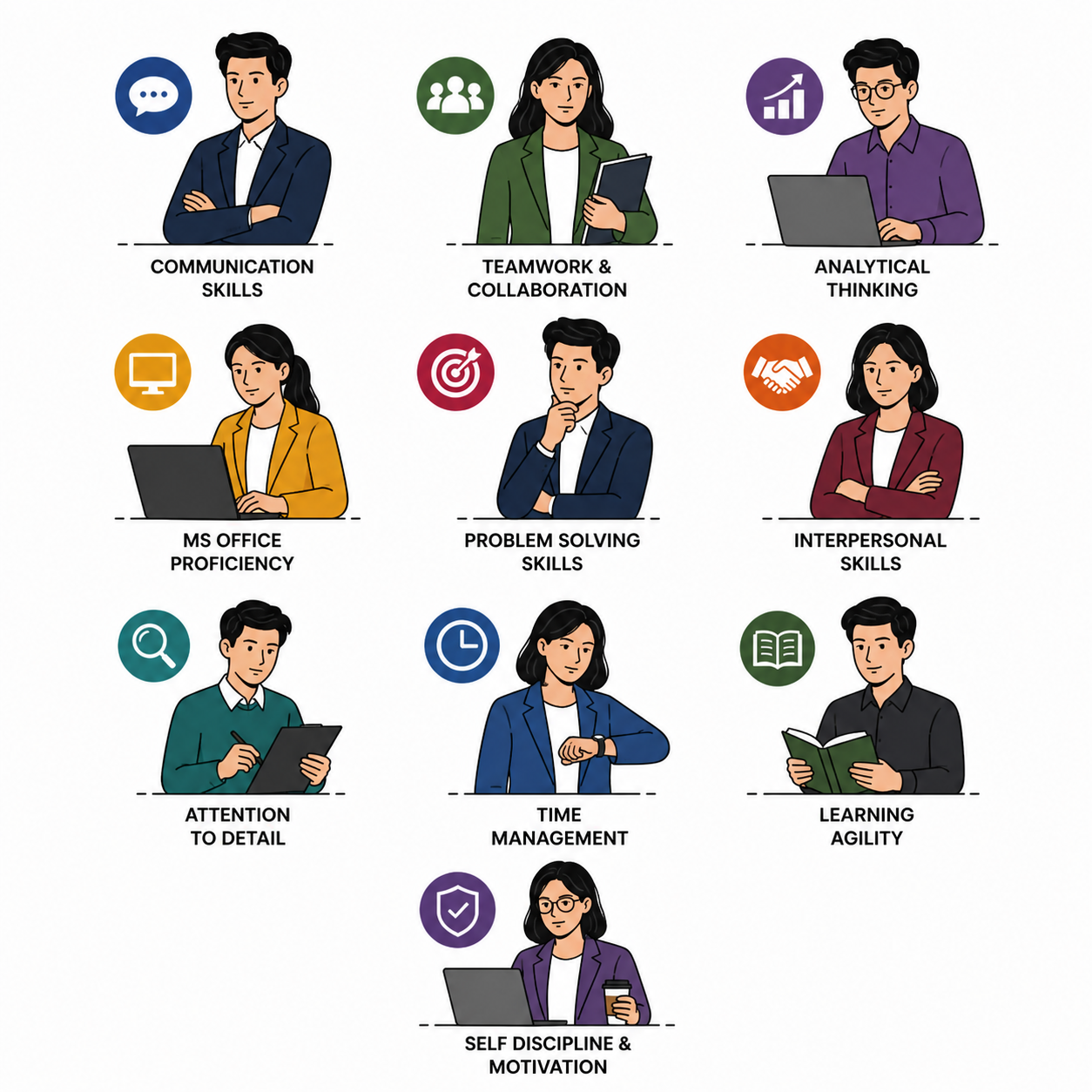
Common Mistakes Talent Acquisition Teams Make
Filtering on keywords alone
Keyword filters reward formatting and miss capable people. Pair them with a skills-based first round.
Running unstructured interviews
When each interviewer improvises, scores cannot be compared and bias creeps in. Use a shared set of questions and criteria for every candidate.
Letting silence stretch between stages
Candidates read silence as disinterest. Set a response-time promise for every stage and tell candidates clearly what happens next.
Buying tools before fixing the process
Technology amplifies whatever process it sits on. Define your skills and stages first, then choose tools, and be wary of anyone who guarantees hires.
The "Just Post More Jobs" Myth
When roles stay open, the instinct is to widen the net: post on more channels, boost the advert, extend the deadline. Sometimes that is exactly right. Often, though, it only adds more resumes to a stage that is already the bottleneck.
What this misses
If your screening and interviewing cannot handle current volume, more applicants create more delay, not more hires. The real constraint is usually evaluation: how quickly and consistently you can identify the people who fit. Fixing that, with skills-first criteria, structured interviews and a ready talent pool, often shortens hiring more than any extra job posting could.
What Actually Changes When You Apply These Strategies
The shift, in plain terms
Before: resumes judged by keywords, interviews that cannot be compared, long silences between stages and a fresh search for every role. After: a skill score for every candidate, a first round that runs without calendar juggling, quicker and clearer communication, and a ranked pool that gives each requisition a head start. None of this removes human judgement. It gives your team better evidence and decisions you can explain with confidence.
What Good Talent Acquisition Looks Like
A skills list for every role, with three to five abilities agreed with the hiring manager before the job is advertised.
A structured, scored first round, so communication and problem-solving are measured rather than assumed.
Fast, self-paced steps and clear updates, so candidates never wonder where they stand.
A current talent pool and monthly stage data, so each requisition starts with a shortlist and each fix is based on evidence.
Your Starting Point, by Situation
Founder hiring first teams
Define two or three key skills, run every candidate through the same structured interview and decide on comparable evidence.
In-house TA lead in a growing company
Standardise your first round, start a ranked talent pool for your most common roles and review stage data monthly so you fix one bottleneck at a time.
Recruiter running high-volume drives
Replace repeated screening calls with self-paced structured interviews, and shortlist from skill scores so large batches stay fair and fast.
HR generalist covering many roles
Use one simple method for every role: named skills, one structured interview and one clear response-time promise.
Your Hiring Readiness Score
Tick everything that is true for your team right now, then calculate your score.

This Guide, in Numbers
Your Hiring Process Deserves a Clearer Starting Point
Register once on requirehire.com to see how AI interview practice and skill scoring work for your own profile.
Turning This Into a Plan: Before, During, After
Do: Agree the key skills and build your pool first
Agreed skills and a ready pool give every role a head start.
Don't: Advertise before defining what good looks like
Without clear criteria, every interview becomes a debate.
Do: Score every candidate the same way and reply fast
Consistent interviews and quick replies keep strong candidates engaged.
Don't: Let feedback and scheduling stall the process
Silence is a common reason good candidates accept another offer.
Do: Track how new hires perform
Early performance shows whether your skill criteria predict success.
Don't: Treat the hire as the end of the process
Candidates not selected may suit future roles, so keep your pool current.
Your Final Checklist
You have named the key skills for every open role and agreed them with the hiring manager.
You use one structured, scored first-round interview, so communication and problem-solving are measured.
Candidates can interview at their own pace and always know what happens next.
You keep a ranked talent pool and shortlist from it before you advertise.
You review stage data monthly and can repeat this routine whichever role comes next.
10 Questions Talent Acquisition Leaders Actually Ask

Teams That Fix Evaluation Early Hire Faster in the Second Half
You now know where traditional hiring slows down and how five strategies close the gaps: skills-first criteria, structured AI interviews, speed candidates can feel, always-on talent pools and data-led decisions. Explore requirehire.com and see the process for yourself.
100% for job seekers, always.
Ready to Practice What You Learned?
Take a free AI mock interview and get your skill score in 15 minutes. 100% free for all candidates.
Related Posts
Practice Your Interview
Get ready for your next interview with our AI-powered mock interview tool.
Start Practice Interview